What Is Autism Caused By? Genetics, Brain Development, and Risk Factors Explained
When people ask what is autism caused by, they are often looking for one clear answer: a gene, a brain change, a pregnancy event, or something that happened after birth. Current evidence points to a more careful explanation. Autism spectrum disorder is linked to differences in early brain development, and those differences appear to arise from many interacting genetic, biological, and environmental risk factors. There is no single cause that explains every autistic person.
That distinction matters. A cause is not the same as blame, and a risk factor is not a certainty. If you are exploring traits in yourself or someone you care about, an autism traits self-screening tool can support reflection, but it cannot replace a formal clinical assessment.
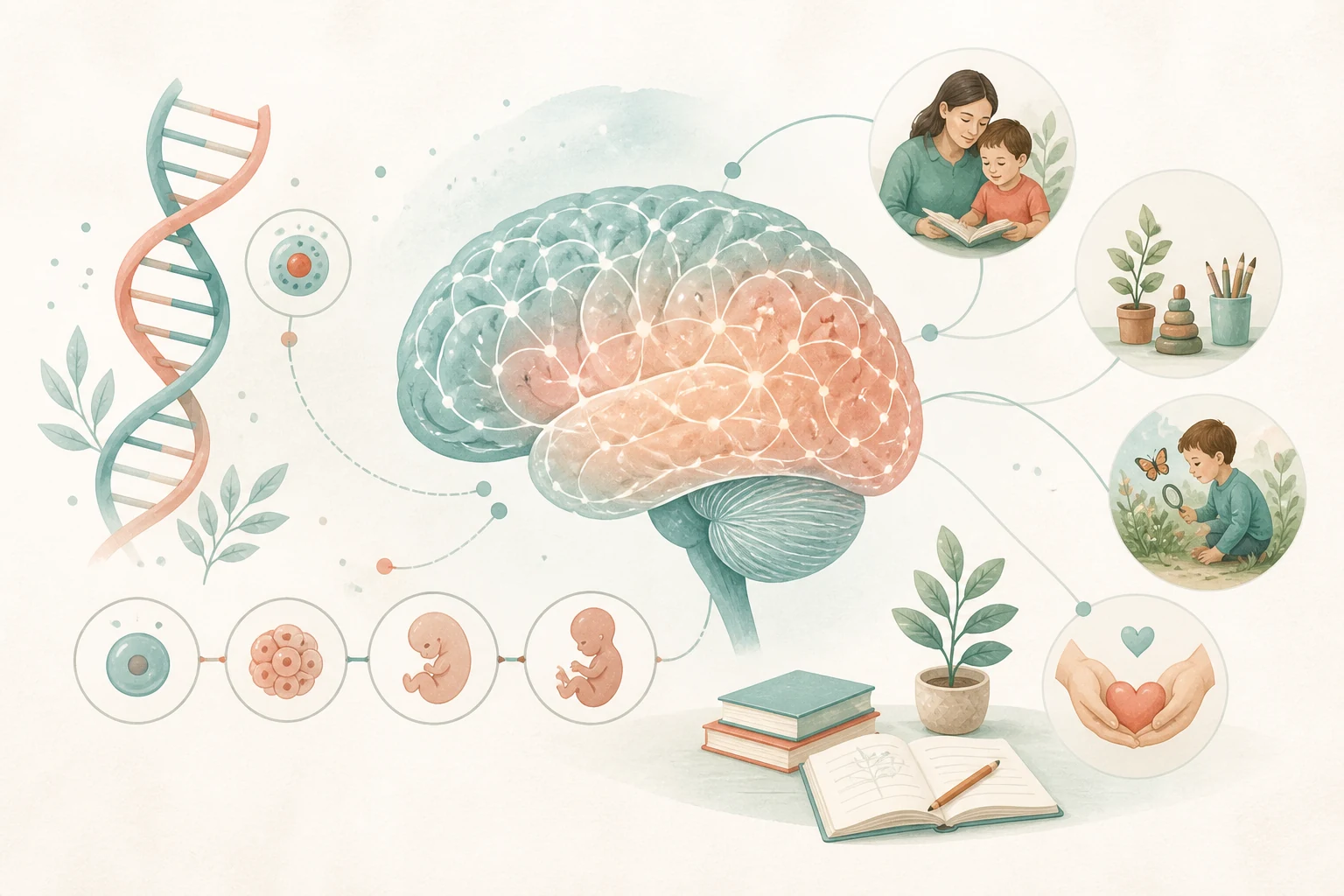
The Short Answer: Autism Usually Has Multiple Causes
Autism is best understood as a neurodevelopmental difference, meaning it relates to how the brain and nervous system develop. The available evidence supports a multi-factor model: genetics often plays a major role, while prenatal, birth-related, and other environmental factors may influence risk in some people. These factors do not work like a simple switch.
For example, one person may have a known genetic condition associated with autism. Another may have many small inherited genetic variations that each contribute a little. Another may have no identifiable single genetic finding, even though genetics still influenced development. This is why broad statements such as "autism is caused by one thing" are misleading.
It is also important to separate autism causes from autism traits. Traits may include differences in social communication, sensory processing, routines, intense interests, or repetitive behaviors. Those traits are the visible pattern. The underlying causes are biological and developmental pathways that researchers are still studying.
Is Autism Caused by Genetics?
Genetics is one of the strongest areas of autism research. Family and twin studies show that inherited factors can substantially influence autism likelihood. Some searches ask whether "90% of autism" is genetic. That number usually refers to heritability estimates from some research, not a claim that one gene explains autism or that environment has no role.
Heritability is a population-level idea. It describes how much variation in a trait across a studied group may be related to genetic variation. It does not tell any one person exactly why they are autistic, and it does not mean that parents did something wrong. In everyday language, a better answer is: genetics can strongly shape autism likelihood, but autism is genetically complex.
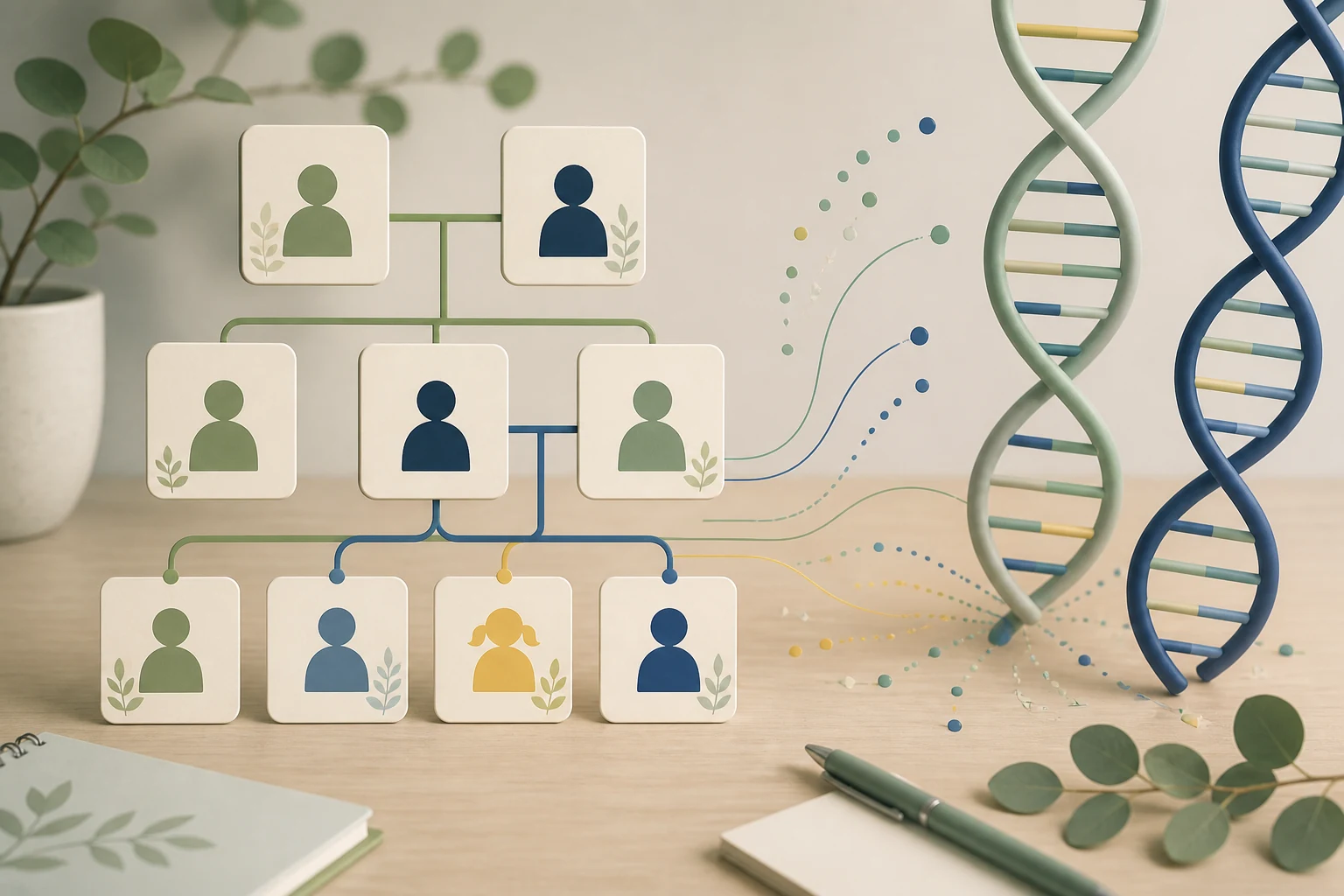
There are several genetic pathways. Some autistic people have a known genetic or chromosomal condition, such as fragile X syndrome or tuberous sclerosis. Some have rare genetic changes, sometimes called mutations, that affect brain development. Many others likely have a combination of many common genetic variants, each with a small effect. Researchers continue to identify genes involved in synapse function, cell communication, and brain development, but no single autism gene explains most cases.
This is also why sibling and family history matters. Having an autistic sibling or close family members with related traits can increase likelihood, but it does not make any outcome certain.
What Is Autism Caused By in the Brain?
Autism is associated with differences in brain development, brain connectivity, and how information may be processed. That does not mean autism is simply caused by ordinary brain damage. For most people, autism is not explained as an injury that happens to an otherwise typical brain. It is more often discussed as a developmental pathway that begins early, often before birth.
Brain-related research has explored many areas, including how nerve cells form connections, how brain networks communicate, how sensory information is processed, and how early brain growth patterns may differ across groups. These findings are not used as a simple individual checklist. A brain scan alone is not how autism is formally assessed in routine care.
The phrase "brain structure abnormalities" can also sound harsher than it needs to be. Researchers may study differences in structure or connectivity, but autistic people are not all alike. Some have high verbal ability; others communicate with significant support. Some are highly sensitive to sound or texture; others are less so. Brain development is part of the explanation, but it is not a neat one-size-fits-all map.
Is Autism Caused by Environmental Factors?
Environmental factors can influence autism likelihood, but in autism research the word "environmental" usually means non-genetic influences around pregnancy, birth, or early development. It does not mean parenting style, affection, discipline, or the emotional climate of a home. Autism is not caused by cold parenting, poor character, or lack of love.
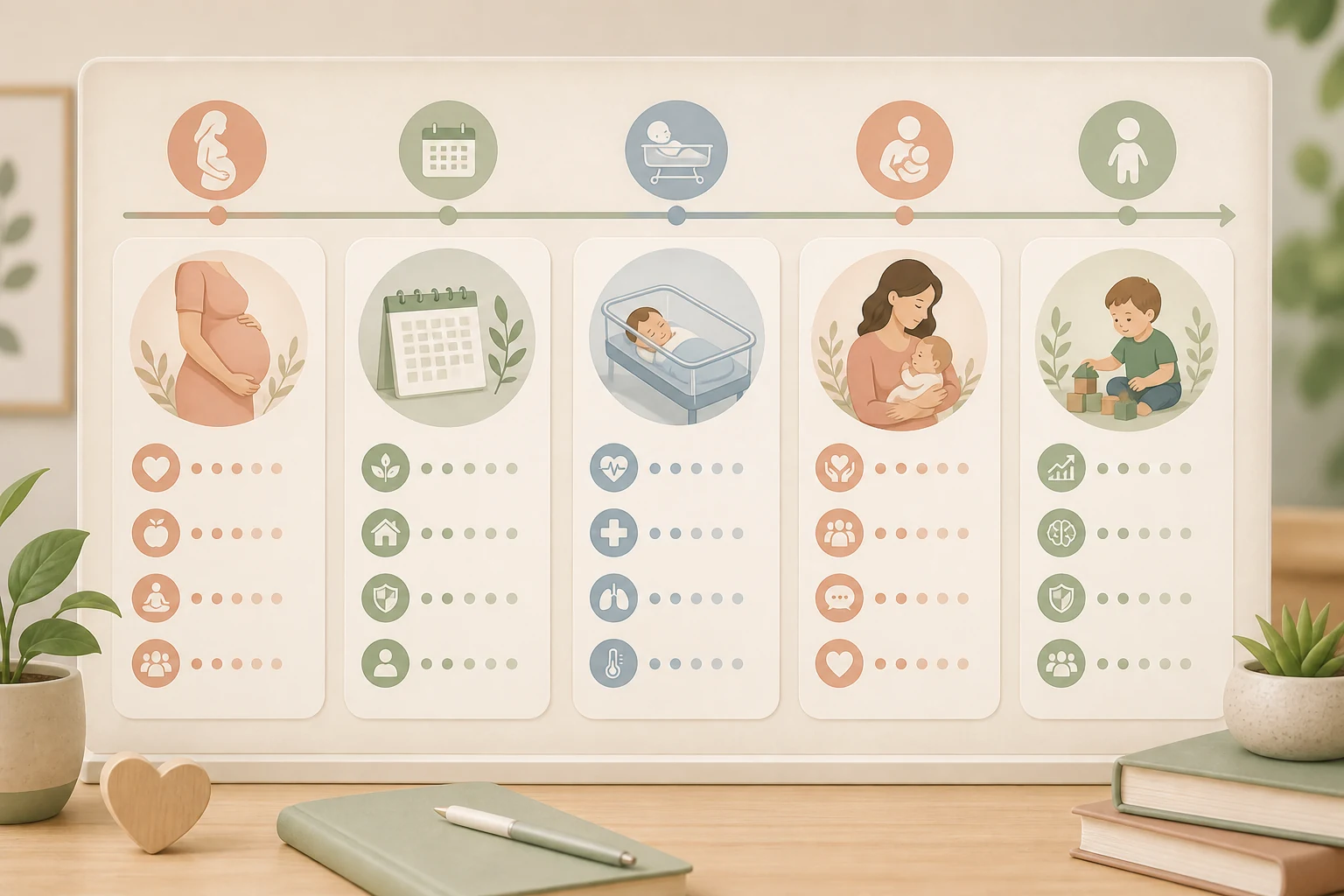
Researchers have studied factors such as advanced parental age, complications around birth, very premature birth, low birth weight, some pregnancy complications, certain prenatal exposures, and air pollution. These factors are usually described as risk associations. A risk association means the factor may be more common in groups where autism is later identified, but it does not prove that the factor alone caused autism in a particular person.
This nuance is especially important for pregnancy searches. Many people ask what causes autism during pregnancy or whether there are signs of autism before birth. In most cases, autism cannot be recognized from pregnancy signs. Some prenatal and perinatal factors may be associated with later autism likelihood, but parents should not read a pregnancy event as a direct explanation for a child's whole developmental profile.
Is Autism Caused by an Extra Chromosome?
Autism is not generally explained by one extra chromosome in the way some other genetic conditions are. However, chromosomes can be part of autism research because chromosomes contain DNA, and some chromosomal changes are associated with increased autism likelihood.
The safest way to think about this is: autism can be associated with genetic and chromosomal differences, but it is not usually a single-chromosome answer. Some people have identifiable genetic syndromes or copy number variations, meaning small pieces of DNA may be duplicated or deleted. Many autistic people do not have a known chromosomal condition.
If a family has questions about genetic testing, inherited conditions, developmental delay, seizures, or other medical concerns, those questions are best discussed with a qualified health professional or genetic counselor. An online article can explain concepts, but personal medical history needs individual review.
Is Autism Caused by Premature Birth or Birth Complications?
Premature birth and some birth complications have been associated with higher autism likelihood in research. That does not mean every premature baby will be autistic, and it does not mean every autistic person was born early. Prematurity is one risk factor among many, not a complete explanation.
Birth-related risk factors may matter because late pregnancy and the newborn period are important windows for brain and nervous system development. Still, research on these factors is complicated. Premature birth can overlap with low birth weight, medical complications, neonatal care, and underlying pregnancy factors. It is often hard to isolate one cause from a larger developmental context.
For parents, the practical takeaway is not to search for blame. It is to watch developmental milestones, talk with pediatric professionals when concerns appear, and seek supportive services when a child needs help with communication, learning, sensory regulation, or daily routines.
Myths That Can Distract From Better Support
The causes of autism have been surrounded by misinformation. The most important myth to address is the claim that vaccines cause autism. Large, well-designed research has not supported that claim. Keeping children protected from preventable infections is an important public health step.
Another myth is that autism is caused by parenting style. This idea has caused unnecessary shame and is not supported by modern understanding. Families do not create autism by being too affectionate, not affectionate enough, too strict, or too relaxed.
A third myth is that autism is always caused by brain injury. Some people may have autism along with neurological injury or other medical conditions, but autism itself is typically discussed as a developmental difference, not simple damage from a single event.
These myths matter because they can pull attention away from useful support. A better approach is to notice traits, understand strengths and support needs, and use professional guidance when day-to-day functioning, communication, safety, school, work, or wellbeing are affected.

How Causes Relate to Autism Traits and Screening
Cause questions and screening questions are connected, but they are not the same. Asking what is autism caused by is about biology and development. Screening is about whether a pattern of traits may be worth deeper reflection or professional discussion.
An AQ-50 style screener asks about experiences such as attention to detail, social communication, routines, imagination, and sensory patterns. It does not reveal the biological cause of those traits. It can, however, give a structured way to notice patterns that may otherwise feel scattered.
That is where a site like AutismTest.cc fits best. Its AQ-50 style screening experience can help adults and families organize observations before deciding whether to seek a formal assessment, read more, or talk with a qualified professional. The result should be treated as a starting point for understanding, not a label by itself.
Practical Next Steps When You Are Wondering About Autism
If you are asking about causes because you recognize traits in yourself, begin with observation rather than pressure. Write down examples from daily life: sensory sensitivities, communication patterns, routines, intense interests, burnout, social confusion, or differences that have been present since childhood. Specific examples are often more useful than a single score.
If you are wondering about a child, track developmental milestones and bring concerns to a pediatric professional. Look for patterns across settings: home, school, friendships, play, sleep, feeding, language, sensory comfort, and transitions. One behavior alone rarely tells the whole story.
If you are an adult, consider how traits affect work, relationships, self-care, sensory load, and mental health. Many adults explore autism after years of masking, anxiety, social exhaustion, or feeling different without a clear framework. Screening can be a gentle first step, but personal history and functional needs are central.
A simple action checklist can help:
- Note traits that have lasted over time, not just during stress.
- Record examples from multiple settings.
- Ask trusted people for observations when that feels safe.
- Review whether support needs are affecting school, work, relationships, or daily life.
- Bring notes to a qualified professional if you want a formal evaluation or tailored support.
Understanding Causes Without Blame
The most helpful answer to what is autism caused by is not a single villain. Autism appears to arise from differences in early development shaped by genetic and biological pathways, sometimes influenced by prenatal or birth-related risk factors. For many people, the exact individual pathway remains unknown.
That uncertainty can feel frustrating, but it also protects against oversimplified blame. Genetics is not anyone's fault. Pregnancy and birth risk factors are not moral failures. Autism traits are not the result of poor parenting. And an online screen cannot explain someone's biology.
What it can do is support a calmer next step. If you are trying to understand traits, an optional private autism traits check may help organize your reflections before you decide what kind of reading, conversation, or professional support would be useful.

FAQ
Is autism considered a disability?
Autism can be considered a developmental disability because it can affect communication, social interaction, sensory processing, learning, and daily functioning. Support needs vary widely. Some autistic people need substantial daily support, while others live independently and mainly need understanding, accommodations, or sensory-friendly environments.
What are the signs and symptoms of autism?
Common traits may include differences in social communication, difficulty reading social cues, preference for routines, intense interests, repetitive movements or speech, sensory sensitivities, and differences in attention or learning style. Traits can look different by age, gender, culture, masking, and support needs.
How can someone identify autism-related traits in a child?
Look for patterns over time rather than one isolated behavior. Examples may include delayed or unusual communication, limited back-and-forth interaction, strong distress around changes, repetitive play, sensory sensitivities, or intense focused interests. If concerns persist, discuss them with a pediatric or developmental professional.
Can autism be made to disappear?
Autism is generally understood as a lifelong neurodevelopmental difference. The goal of support is not to erase a person, but to improve communication, wellbeing, safety, learning, daily living skills, and quality of life. Needs can change over time, especially with useful accommodations and respectful support.
Is autism caused by brain damage?
Usually, no. Autism is more often described as a difference in early brain development rather than ordinary brain damage. Some people may have autism along with other neurological or medical conditions, but autism itself is not usually explained by a single injury.
Is autism caused by an extra chromosome?
Not usually. Some genetic or chromosomal conditions are associated with higher autism likelihood, but autism is not generally explained by one extra chromosome. Many autistic people have no known chromosomal condition.
What causes autism during pregnancy?
Research has linked some prenatal and birth-related factors with higher autism likelihood, including certain pregnancy complications, parental age, premature birth, and low birth weight. These are risk associations, not simple one-to-one explanations. Most pregnancy experiences do not provide a clear individual answer.