Autism Test Through Life's Stages: Childhood to Adulthood
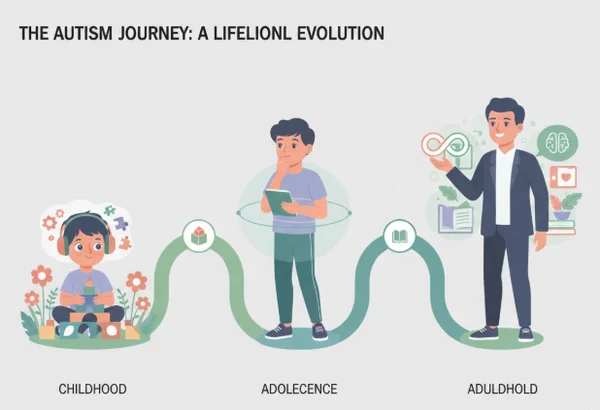
Autism Spectrum Disorder (ASD) is not static. It's a lifelong developmental journey that evolves as a person grows, learns, and interacts with the world. Many people wonder: How does autism change from childhood into adulthood? While the core traits of autism remain, the way they manifest can look very different in a toddler compared to a working professional.
For parents, educators, and anyone seeking self-awareness, understanding these changes can be truly transformative. If you're noticing signs in a young child or reflecting on your own lifelong patterns, knowing what to look for at each stage can provide clarity. If you are curious about how these traits apply to you or a loved one, you can start your test today to gain a clearer perspective.
As we journey through the different stages of life with autism, you'll discover how traits evolve and what support works best at each phase. We'll unpack the reasons behind certain behaviors and connect you with resources that make a real difference. Taking an Autism Test can provide valuable insights at any life stage, helping you navigate the unique strengths and challenges that arise.
Understanding Autism Test Results Across Life Stages
Autism is called a "spectrum" because it affects everyone differently. This diversity exists not just between people, but also within the same person as they age. A child who struggles with speech may grow into an adult who speaks fluently but finds social nuances exhausting. This developmental journey is shaped by genetics, environment, and the support a person receives.
Core Characteristics of Autism Across Ages
The core characteristics of autism generally fall into two categories: social communication challenges and restricted or repetitive behaviors. However, the "look" of these traits shifts over time. In early childhood, social challenges might appear as a lack of interest in playing with others. In adulthood, these same traits might manifest as difficulty navigating office politics or maintaining long-term romantic relationships.
Repetitive behaviors also evolve. A young child might spend hours spinning the wheels on a toy car. An autistic adult might replace this with a "special interest"—an intense, expert-level passion for a specific topic like coding, history, or music. These traits are part of the brain's natural wiring. Understanding them is the first step toward self-acceptance.
How Developmental Milestones Differ in Autistic Individuals
Developmental milestones are the skills most children reach by a certain age. These include walking, talking, or playing "pretend." For autistic individuals, these milestones often follow a non-linear path. This is sometimes called "asynchronous development."
For example, an autistic child might have a vocabulary far beyond their peers. However, they might struggle to tie their own shoes or manage their emotions. These gaps between intellectual ability and daily living skills can be confusing for parents and teachers. Recognizing that an autistic person’s growth happens at different speeds is vital for providing the right encouragement.
Childhood Autism: Early Signs and Developmental Patterns
Childhood is often when autism is first noticed. For many parents, the journey begins with a feeling that their child is "different." Early identification is incredibly beneficial. It allows families to access resources that support the child's natural development.
Recognizing Autism in Early Childhood (Ages 2-5)
In the toddler and preschool years, autism often shows up as delays in communication or unconventional play. Common early signs include limited eye contact or not responding when their name is called. Some children prefer to play alone rather than with peers. Others might repeat words or phrases (echolalia) instead of using original speech.
Intense reactions to sensory input are also common. This might include a fear of loud noises or the texture of certain clothes. If you notice these patterns, using an online screening tool can help you organize your observations. Early childhood is a time of rapid brain growth. Understanding a child’s sensory needs early on can make a world of difference in their happiness.
Key Developmental Markers for School-Age Children (6-12 Years)
As children enter school, social demands become more complex. This is often when "high-functioning" traits become more apparent. School-age children may struggle with the "unwritten rules" of the playground. They might take language very literally, missing out on jokes or sarcasm.
In the classroom, sensory overload is a major factor. Bright lights and the humming of computers can lead to "meltdowns" or "shutdowns." At this stage, support often focuses on executive function. This helps the child organize schoolwork and manage transitions between activities. Educators who understand the autistic profile can create an environment where these students truly thrive.
Using an Autism Test for Early Childhood Screening
Our online Autism Test is designed to identify traits across different age groups. For parents of school-age children, a formal or informal screening helps bridge the gap between home and school life. It provides a vocabulary to discuss needs with teachers and specialists. Identifying these markers early ensures that the child does not internalize their struggles as personal failures.
Autism in Adolescence and Young Adulthood: Transitions and Challenges
The transition to adolescence is one of the most challenging periods for any individual. For those on the autism spectrum, it brings unique hurdles. Hormonal changes and the increased importance of social groups can feel overwhelming.
Social Development and Identity Formation in Autistic Teens
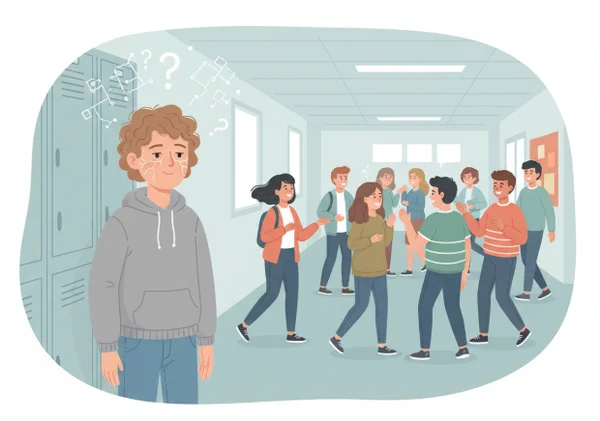
During the teenage years, the desire to fit in often leads to "masking." Masking is when an autistic person consciously hides their traits to appear "normal." While this can help them navigate social circles, it is often incredibly exhausting. It can lead to burnout or intense anxiety.
Teens may also struggle with identity formation. They might feel like they are "performing" a role rather than being themselves. It is crucial during this time to provide a safe space where they don't have to mask. If you are a parent of a teenager, you might want to check traits through a reliable tool to better understand how autism impacts this life stage.
Educational and Career Transitions for Young Autistic Adults
Leaving the structured environment of high school is a major milestone. Young autistic adults face the "cliff" of services, where school-based support suddenly disappears. Transitioning to college or a first job requires a high level of independence and self-advocacy.
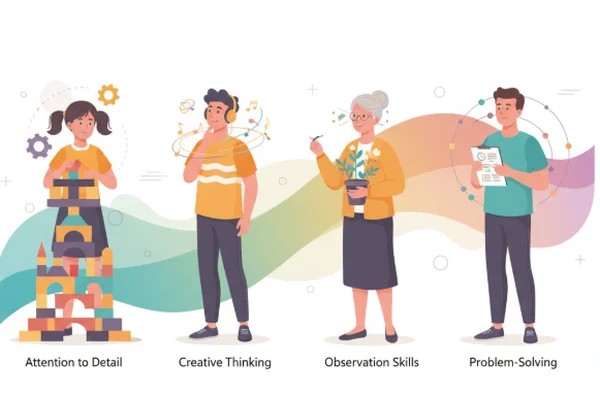
Many young adults find success in environments that value their deep focus and attention to detail. However, they may need accommodations like a quiet workspace or written instructions. Career coaching and vocational support can help bridge the gap. This allows young adults to contribute their unique talents to the workforce effectively.
Autism in Adulthood: Strengths, Challenges, and Evolution
Many people are only diagnosed with autism in adulthood. They may have spent decades feeling "different" without knowing why. For these individuals, a late-in-life discovery can be a profound "lightbulb moment." It explains a personal history of social exhaustion or sensory sensitivities.
How Autistic Traits Manifest in Adult Life
In adults, autism often manifests in more subtle ways than in children. An autistic adult might have a very rigid routine. They may feel intense distress if that routine is broken unexpectedly. They might find "small talk" at parties painful but can talk for hours about a subject they love.
Workplace challenges are common, particularly regarding social communication with colleagues. Sensory issues also persist. An open-office plan might be a nightmare for someone with sound sensitivity. Using an assessment tool designed for adults can help individuals identify these patterns and seek the necessary adjustments.
Strengths and Advantages of Autistic Thinking in Adulthood
It is important to remember that autism is not just a list of challenges. It also brings significant strengths. The autistic brain is often wired for hyper-focus and the ability to stay deeply engaged in a task. Many autistic adults excel at pattern recognition, seeing connections that others might overlook.
Honesty and integrity are also hallmarks of the autistic experience. There is often a tendency toward direct communication and a strong sense of justice. In many industries, from software engineering to the creative arts, these "autistic advantages" are highly valued. When adults understand their neurodivergence, they can lean into these natural strengths.
Why Taking an Autism Test in Adulthood Matters
Taking an Autism Test as an adult is often about seeking validation. It provides a framework for understanding why certain environments feel draining. With this knowledge, adults can advocate for themselves at work and in relationships. It moves the conversation away from "what is wrong?" and toward "how can I thrive?"
Understanding Your Place in the Autism Journey
Autism is a journey of self-discovery. Whether you are a parent watching your child grow or an adult reflecting on your own path, understanding these stages is empowering. It allows you to move away from self-criticism and toward a functional understanding of how your brain works.
By recognizing the signs early and providing the right support through adolescence, we can help autistic individuals lead fulfilling lives. The first step toward this understanding is often a simple screening.
If you or a loved one are looking for clarity, we invite you to try our free tool. It provides a reliable way to assess autism traits and offers an optional AI-powered report for deeper, personalized insights. Knowledge is the key to support, and your journey toward better self-awareness can begin right now.
The Takeaway
What are the early signs of autism in toddlers?
Common signs in toddlers include a lack of eye contact and not pointing at objects to show interest. Some may have delayed speech or repetitive movements like hand-flapping. Many parents also notice that the child does not engage in "pretend play" or prefers to play alone.
How does autism present differently in girls versus boys?
Autism is often underdiagnosed in girls because they are frequently better at "masking." Girls may have special interests that appear more typical, like animals, but the intensity is much higher. They also tend to have fewer obvious repetitive behaviors than boys.
Can autism traits change or evolve over time?
Yes, autism traits definitely evolve. While the underlying neurobiology stays the same, an individual learns coping mechanisms and social strategies as they age. Sensory sensitivities might decrease or increase, and social communication often improves with experience and support.
What support is most beneficial for autistic adults?
Beneficial support usually involves workplace accommodations and therapy for anxiety or burnout. Connecting with the neurodivergent community is also helpful. Understanding one's own needs through a free test is often the starting point for seeking this support.
How can I help my autistic child transition to adulthood?
Start transition planning early, ideally around age 14. Focus on teaching life skills like budgeting, cooking, and self-advocacy. Encourage their interests and help them find vocational training or higher education programs that offer specific support for autistic students.