Autism Test Preparation: Your Complete Checklist for Evaluation
Taking an online screening test is often the first step in understanding yourself better. But what comes next? If you're considering a professional autism evaluation, preparation is key. Knowing what to expect and how to organize your information can make the process smoother and lead to a more accurate outcome.
Are you wondering how to prepare for a professional autism assessment? This guide provides a complete checklist to help you gather the necessary information. It covers everything from developmental history to current behaviors, ensuring you feel confident and ready for your consultation. If you're just starting this journey, an initial screening can provide valuable insights. You can take a free test on our site to get a preliminary understanding.
This article will walk you through the essential steps for successful evaluation preparation, turning a potentially overwhelming process into a manageable one.

Gathering Your Developmental History Documentation
A formal autism diagnosis often relies heavily on understanding your developmental history. Clinicians need to see patterns of behavior and challenges that have been present since early childhood. Compiling these records beforehand is one of the most helpful things you can do. It provides the evaluator with a concrete foundation to build upon during your assessment.
Creating a Comprehensive Timeline of Developmental Milestones
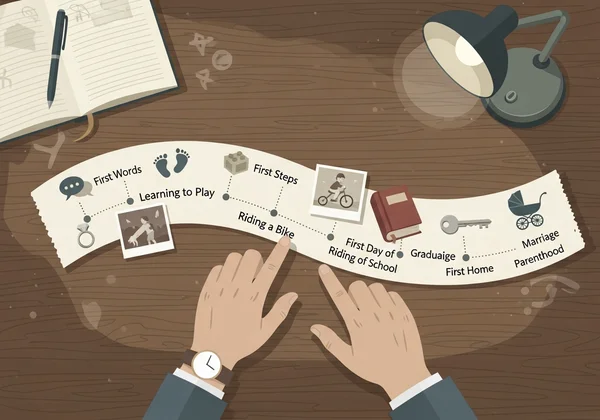
Think of yourself as a historian of your own life. Your goal is to create a timeline that maps out key developmental milestones. Even if you don't have exact dates, approximate ages are very useful. Talk to parents, older siblings, or anyone who knew you as a child to help fill in the gaps.
Consider documenting the following:
- Language and Communication: At what age did you start babbling, saying your first words, or forming sentences? Did you have any speech delays or unusual speech patterns?
- Social Interaction: How did you play with other children? Did you prefer playing alone? Did you understand social cues like sharing or taking turns?
- Motor Skills: When did you learn to sit up, crawl, or walk? How was your coordination in activities like catching a ball or learning to ride a bike?
- Behavioral Patterns: Did you have intense interests in specific topics? Did you engage in repetitive behaviors like rocking, hand-flapping, or lining up toys? How did you react to changes in routine?
School and Medical Records: What to Request and How to Organize
Official documents can provide unbiased evidence of early developmental patterns. These records often contain observations from teachers, doctors, and other professionals that you may have forgotten.
Here's what to look for and how to organize it:
- School Records: Request old report cards, teacher comments, and any special education evaluations (like an IEP or 504 plan). These often describe social skills, classroom behavior, and learning style in detail.
- Medical Records: Contact your childhood pediatrician's office for records. Look for notes on developmental check-ups, hearing or vision tests, or any referrals to specialists.
- Other Evaluations: Include reports from speech therapists, occupational therapists, or child psychologists if you saw them for any reason.
Organize these documents chronologically in a binder or digital folder. This will make it easy for you and the clinician to review them during the evaluation.
Tracking Current ASD Symptoms and Behaviors
While history is crucial, a diagnosis also depends on how your traits affect you today. Your current experiences, challenges, and strengths are a vital part of the assessment. Documenting these systematically can help you communicate your situation clearly to the clinician. An online autism test can be a good starting point for identifying which areas to focus on.
Behavior Observation Checklists for Different Settings
Your behaviors and comfort levels can change depending on your environment. Creating checklists for different settings helps show how your autistic traits manifest in various environments. This information can be extremely valuable for your clinician.
Consider tracking your experiences in these areas:
- At Work or School: Note challenges with group projects, understanding unwritten social rules, managing deadlines, or dealing with sensory distractions in the office or classroom.
- At Home: Document your daily routines. Do you have specific rituals? How do you manage household chores or unwind after a stressful day? How do you interact with family or roommates?
- In Social Situations: Write down your experiences at parties, family gatherings, or casual outings. Note feelings of social anxiety, difficulties with small talk, or a tendency to misunderstand jokes or sarcasm.
For each point, briefly describe the situation, your behavior, and how you felt.
Sensory Processing Patterns and Documentation Tips
Many autistic individuals experience the world through a different sensory lens. What is normal for others might be overwhelming or barely noticeable to you. Documenting your unique sensory sensitivities is extremely important for a complete autism evaluation.
Keep a log of your sensory sensitivities and preferences:
- Hypersensitivity (Over-sensitive):
- Sound: Do loud noises, chewing sounds, or multiple conversations feel painful or distressing?
- Sight: Are you bothered by fluorescent lights, bright sunlight, or visually "busy" patterns?
- Touch: Do you dislike certain clothing tags, food textures, or light, unexpected touch?
- Smell: Are you sensitive to perfumes, cleaning products, or food smells?
- Hyposensitivity (Under-sensitive):
- Do you have a high pain tolerance?
- Do you crave strong flavors or intense physical pressure (like tight hugs or weighted blankets)?
- Do you not notice when you are hot, cold, or hungry?
Note these experiences as they happen. This real-time data is far more powerful than trying to remember everything during the appointment.

Maximizing Your Diagnostic Consultation Value
You've done the hard work of gathering your history and documenting your current experiences. Now it's time to make sure your consultation is as productive as possible. Being prepared for the appointment itself helps you advocate for your needs and ensures all your concerns are addressed. A formal autism test is a collaborative process, and your input is essential.
Essential Questions to Ask Your Autism Specialist
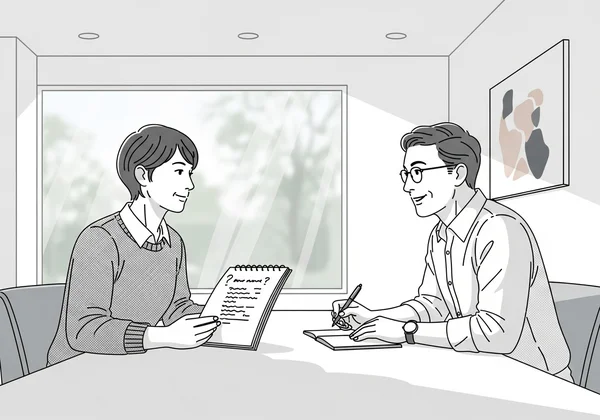
Going into the appointment with a list of questions will help you stay focused and get the information you need. You are an active participant in this process. Consider asking some of the following:
- What is your experience in diagnosing autism, especially in adults/women/my specific demographic?
- What specific assessment tools or methods will you be using?
- How long will the entire evaluation process take, from this meeting to the final report?
- What does the final report include? Will it offer personalized recommendations?
- Do you differentiate between autism and other conditions like ADHD, social anxiety, or PTSD?
- What are the potential outcomes of this evaluation?
Writing your questions down ensures you won't forget them in the moment.
How to Effectively Communicate Your Concerns to the Clinician
Your ability to communicate your lived experience is critical. When you develop effective strategies for expressing your thoughts and feelings clearly, it significantly impacts the accuracy and usefulness of your evaluation.
Here are some tips to help you express yourself clearly and effectively during the consultation:
-
Be Specific: Instead of saying "I'm bad at socializing," provide a concrete example. Say, "At my work lunch last week, everyone was laughing at a joke, but I didn't understand why it was funny and felt left out."
-
Refer to Your Notes: Bring your binder or digital folder of organized documents. Don't be afraid to refer to it. You can say, "I wrote down some examples of my sensory issues that I'd like to share."
-
Focus on Impact: Explain how these traits affect your daily life. For instance, "My sensitivity to noise means I can't go to the grocery store without noise-canceling headphones, which makes simple errands stressful."
-
Be Honest About Masking: If you spend a lot of energy trying to "fit in" or hide your autistic traits (a practice known as masking or camouflaging), tell the clinician. Explain how exhausting it is. This is a key piece of the diagnostic puzzle, especially for adults and women.
Next Steps After Your Autism Evaluation
Getting ready for your autism evaluation marks an important journey toward better self-understanding and acceptance. By gathering your history, tracking your current traits, and preparing for the consultation, you empower yourself and provide the clinician with the information needed for an accurate assessment. This journey of discovery often begins with a simple question: "Could I be autistic?" An initial screening, like the one offered at our online tool, can be a valuable tool to help you organize your thoughts before seeking a professional opinion.
Remember, beyond just receiving a diagnosis, this process can bring clarity about your unique strengths and challenges, opening doors to better support strategies and a higher quality of life.
Frequently Asked Questions About Autism Evaluation Preparation
How far in advance should I start preparing for an autism evaluation?
It's best to start preparing as soon as you book your appointment. Gathering school and medical records can take several weeks. Giving yourself at least a month allows you to collect documents and track your current behaviors without feeling rushed.
What if I can't find records from early childhood?
Don't worry, this is very common, especially for adults. While records are helpful, they aren't the only source of information. Detailed accounts from your parents or older relatives can be just as valuable. Focus on documenting your current experiences thoroughly, as this is also a critical part of the assessment.
Can I bring a support person to the evaluation appointment?
In most cases, yes. Bringing a trusted partner, parent, or friend can be very helpful. They can offer emotional support and may be able to provide additional examples or insights that you might not think of. It's a good idea to check with the clinic's policy beforehand.
How long does it typically take to receive the evaluation results?
This varies depending on the clinician and the complexity of the assessment. It can range from a few weeks to a couple of months. The process usually includes the initial interview, various tests, a feedback session to discuss the findings, and a final written report. A formal professional autism assessment is thorough.
Will the evaluator accept results from an online autism screening test?
While an online screening test is not a diagnostic tool, it can be very useful for preparation. It provides a structured summary of your traits that you can bring to discuss with your evaluator. Many people find that a preliminary online screening, like our autism quotient (AQ) test, helps them organize their thoughts for the professional consultation.