Autism Test & Diagnosis Guide: How to Get Tested at Any Age
Feeling uncertain about Autism Spectrum Disorder (ASD), whether for yourself or a loved one? The journey toward understanding can be filled with questions. While an online autism test can provide valuable initial insights, a professional autism diagnosis is the definitive next step for clarity and support. How to get tested for autism? This comprehensive guide will walk you through the entire process, covering the essential steps and considerations for children, teens, and adults.
Understanding the Professional Autism Diagnosis Process
Embarking on the journey toward a formal diagnosis starts with a clear understanding of what's involved. A professional evaluation is far more than a simple questionnaire; it's a detailed, multi-faceted process conducted by trained experts. It's designed to provide a complete picture of an individual's strengths and challenges.
What Constitutes a Professional Autism Assessment?
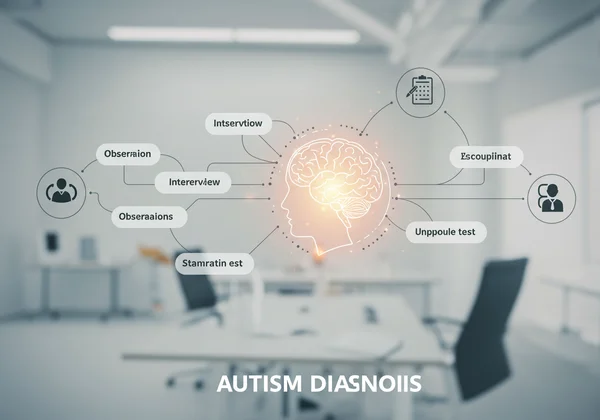
A professional autism assessment is a comprehensive evaluation used to determine if an individual meets the criteria for Autism Spectrum Disorder. Unlike an online autism screening, which provides preliminary indicators, a formal assessment involves direct observation, developmental history interviews, and standardized testing. It aims to not only identify autistic traits but also to rule out other conditions and create a profile of an individual's specific support needs. This process is crucial for accessing resources, therapies, and accommodations in school or the workplace.
The Role of Diagnostic Criteria (DSM-5)
To ensure consistency and accuracy, clinicians rely on the Diagnostic and Statistical Manual of Mental Disorders, Fifth Edition (DSM-5). This manual, published by the American Psychiatric Association, outlines the specific criteria for diagnosing ASD. The core criteria focus on two main areas: persistent deficits in social communication and social interaction, and restricted, repetitive patterns of behavior, interests, or activities. A diagnosis is given only when these characteristics are present from the early developmental period and cause clinically significant impairment in daily functioning.
Who Are the Qualified Autism Specialists?
Obtaining an accurate diagnosis requires consulting with professionals who have specialized training and experience in neurodevelopmental conditions. These qualified autism specialists are the key to a thorough evaluation. Key professionals include:
-
Developmental Pediatricians: Medical doctors who specialize in the development of children, often diagnosing autism in younger clients.
-
Child Psychologists or Neuropsychologists: Experts in child psychology and brain function who conduct comprehensive testing.
-
Psychiatrists: Medical doctors who can diagnose autism and also address co-occurring mental health conditions.
-
Clinical Psychologists: Professionals trained in assessing and diagnosing a wide range of psychological conditions, including ASD in adults.

How to Get Tested for Autism: Age-Specific Pathways
The journey to an autism assessment varies significantly depending on a person's age. The signs, referral processes, and evaluation methods are tailored to different developmental stages. Understanding these distinctions can help you navigate the process more effectively for yourself, your child, or a student.
Navigating Diagnosis for Children and Teenagers
For children and teenagers, the process often begins when a parent, guardian, or teacher notices differences in development or behavior. The first step is typically a consultation with a pediatrician, who can conduct an initial developmental screening. If concerns are noted, the pediatrician will refer the family to a specialist for a comprehensive assessment. This evaluation often involves input from parents and teachers and may include observations in a school setting to see how the child interacts in a natural environment.
The Adult Autism Assessment Journey
Many adults seek a diagnosis later in life after years of feeling different or struggling with social and emotional challenges. The journey for an adult often starts with self-reflection, perhaps prompted by learning about autism online or taking a free online autism test. The next step is to seek a referral from a general practitioner (GP) or to self-refer to a psychologist or psychiatrist specializing in adult autism diagnosis. The assessment will focus heavily on developmental history, personal experiences, and current challenges.

Unique Considerations for Women and Girls
Historically, autism has been underdiagnosed in women and girls. This is partly because autistic females often exhibit different traits and are more likely to "mask" or camouflage their social difficulties. A knowledgeable clinician will look beyond stereotypes and consider subtle signs, such as intense but narrow interests, sensory sensitivities, social exhaustion from masking, and internalizing emotions. A proper assessment for women requires a nuanced understanding of how autism can present differently.
What to Expect During an Autism Assessment
Knowing what the assessment involves can help reduce anxiety and prepare you for the appointment. The evaluation is not a single test but a collection of information from various sources to build a holistic understanding of the individual.
Common Assessment Tools and Methods (e.g., ADOS, ADI-R)
Clinicians use several "gold standard" tools to guide their evaluations. The Autism Diagnostic Observation Schedule (ADOS-2) is a play-based and activity-based assessment that observes social communication and interaction directly. The Autism Diagnostic Interview-Revised (ADI-R) is a structured interview with a parent or caregiver that gathers detailed information about the individual's developmental history. These tools, combined with cognitive tests and adaptive behavior scales, help the clinician make an informed decision.
Tips for Preparing for Your Assessment Appointment
Preparation can make the assessment process smoother and ensure the clinician gets the most accurate information. Before your appointment, consider gathering relevant documents like old school reports or performance reviews. Write down specific examples of challenges you or your child face in daily life. For adults, reflecting on your childhood experiences and social history is incredibly helpful. Honesty and openness are key to a successful evaluation.
Understanding Autism Diagnosis Cost & Funding Options
One of the most significant barriers to getting a professional diagnosis is the cost. The financial aspect can be daunting, but there are often ways to manage it. Being informed about potential expenses and funding resources is an important part of the process.
Average Costs of a Professional Autism Assessment
The autism diagnosis cost can vary widely, ranging from several hundred to many thousands of dollars. This variation depends on your location, the type of provider (e.g., private practice vs. hospital), and the complexity of the assessment. A comprehensive evaluation requires significant time from a specialist—including interviews, direct testing, scoring, and report writing—all contributing to the expense.

Exploring Insurance Coverage and Financial Support
Many health insurance plans now offer some coverage for autism assessments, but the extent can differ. It's crucial to contact your insurance provider beforehand to understand what is covered and what your out-of-pocket expenses will be. In addition to insurance, some community health centers, university clinics, or non-profit organizations may offer low-cost or sliding-scale assessment services. Researching local resources can uncover more affordable options for a professional evaluation.
Taking the Next Step Towards Clarity and Support
Embarking on the path to an autism diagnosis is a proactive step towards understanding, acceptance, and tailored support. Whether you're a parent seeking answers for your child or an adult exploring your own identity, a formal diagnosis can unlock access to necessary resources and empower you to navigate the world with greater confidence. While the process may seem complex, each step brings you closer to clarity.
If you are just beginning this journey and want to organize your thoughts, using a structured tool can be a great starting point. An online screening can provide a preliminary overview of traits to discuss with a professional. Ready to explore? Take the test to gain initial insights today.
Frequently Asked Questions About Autism Diagnosis
Are online autism tests accurate for diagnosis? No, online autism tests are not a substitute for a professional diagnosis. They are screening tools designed to indicate whether you have traits associated with autism that may warrant further evaluation. They are a valuable first step, but a formal diagnosis can only be made by a qualified healthcare professional after a comprehensive assessment.
What should I do after completing an online autism screening? After completing an online autism screening, you should consider the results as a starting point for a conversation. If your score suggests you have significant autistic traits, the recommended next step is to schedule an appointment with your doctor or a mental health professional to discuss your concerns and seek a referral for a formal assessment.
Can I self-diagnose autism based on symptoms? While self-diagnosis is recognized and valued within the autistic community as a tool for self-understanding, it is not a formal diagnosis. A professional diagnosis is often necessary to access legal protections, workplace accommodations, and specialized support services. It provides an official confirmation that can be crucial for navigating healthcare and educational systems.
How long does a professional autism assessment take? The duration of a professional assessment can vary. It typically involves several appointments spread over a few weeks. The process includes an initial intake interview, direct testing sessions that can last several hours, and a final feedback session to discuss the results and report.
What is the difference between an online screening and a professional diagnosis? The key difference is depth and validity. An online screening like the autism spectrum test is a self-report questionnaire that offers a preliminary score based on your answers. A professional diagnosis is a clinical process conducted by an expert that involves direct observation, developmental history, standardized testing, and clinical judgment to provide a definitive and legally recognized conclusion.