Autism Spectrum Disorder (ASD): Your Guide to Understanding and Online Autism Tests
Are you curious about Autism Spectrum Disorder (ASD)? This guide aims to clearly explain what ASD is, its core characteristics, and why we talk about it as a 'spectrum.' Gaining this understanding can be incredibly empowering, whether for yourself, a loved one, or simply to deepen your knowledge. If you're looking for preliminary insights into your own traits, taking a free autism test can be an excellent starting point for self-reflection.
Understanding Autism Spectrum Disorder (ASD)
Autism Spectrum Disorder (ASD) is a neurodevelopmental condition that affects how individuals interact, communicate, learn, and behave. It's called a "spectrum" because it encompasses a wide range of strengths and challenges. No two individuals with ASD are exactly alike; their experiences and the intensity of their characteristics can vary significantly. This diversity is what makes understanding ASD so rich and important.
What Does the Autism Spectrum Mean?
The "spectrum" in autism spectrum disorder highlights the vast differences in how ASD presents itself. Imagine a rainbow, where each color blends seamlessly into the next, yet each is distinct. Similarly, individuals on the autism spectrum might experience varying degrees of challenges in social interaction or communication, or show different patterns of sensory sensitivities or repetitive behaviors. Some might require substantial support in daily life, while others live independently and thrive in specific areas, often referred to as high-functioning autism. Ultimately, it's about recognizing and respecting the unique profile of each individual.
Core Characteristics of Autism
While individual presentations vary, there are common autism characteristics that typically define ASD. These generally fall into two main areas:
- Social Communication and Interaction Challenges: This can manifest as difficulty with reciprocal conversation, understanding non-verbal cues (like facial expressions or body language), maintaining eye contact, or developing and maintaining relationships. Sometimes, individuals might struggle with social interaction or miss subtle social signals.
- Restricted, Repetitive Patterns of Behavior, Interests, or Activities: This might include repetitive movements (e.g., hand flapping), strict adherence to routines, highly restricted interests (e.g., an intense focus on a single topic), or unusual reactions to sensory input (e.g., sensitivity to sounds or textures). These repetitive behaviors often provide comfort or a sense of predictability.
It's vital to remember: these are intrinsic characteristics of neurodevelopment, not choices or preferences. Understanding this helps us approach autism with empathy and respect.
Common Myths and Facts About Autism
Many misconceptions have long clouded the public's understanding of autism. As we explore ASD together, it's crucial to separate fact from fiction to foster a more accurate and compassionate view.
Dispelling Common Misconceptions
One pervasive myth is that autism is caused by vaccines. This claim has been thoroughly dispelled by scientific research. Another common misconception is that individuals with autism lack empathy or prefer to be alone. While communication patterns may differ, many autistic individuals desire connection but may struggle with the unwritten rules of social interaction. They don't lack feelings; they may process and express them differently. Some believe autism is a disease that needs to be cured. Instead, it's a neurodevelopmental difference, a fundamental part of how a person's brain is wired.
Embracing Autism as Neurodiversity
A more contemporary and respectful perspective views autism through the lens of neurodiversity. This concept suggests that variations in brain function are as natural and valuable as any other human difference. Embracing neurodiversity means recognizing that autistic ways of thinking, learning, and perceiving the world are simply different, not inherently deficient. Many individuals on the spectrum possess unique strengths, such as exceptional attention to detail, strong logical reasoning, pattern recognition abilities, or intense focus on their special interests. This perspective encourages society to adapt to different neurological configurations, rather than expecting autistic individuals to conform to neurotypical norms. It's about creating a more inclusive world.
Identifying Autism: From Screening to Diagnosis
For many, the journey to understanding autism begins with questions about their own experiences or observations of a loved one. Recognizing potential signs is an important step, which can lead to considering a formal assessment.
When to Consider an Autism Screening
If you or someone you know consistently exhibits autism characteristics—such as challenges in social communication, repetitive behaviors, or unusual sensory sensitivities—considering an Autism Screening Test can be a valuable initial step. This is especially true for adult autism test users who may have masked their traits for years, or for parents observing early signs of autism in a child. Screenings are not diagnostic but can indicate whether further, professional evaluation is warranted. For instance, an autism test for women or teens might explore how masking behaviors can obscure typical indicators. If you're curious about your own traits, an online autism test can offer a starting point for self-reflection.
The Purpose of Online Autism Screeners
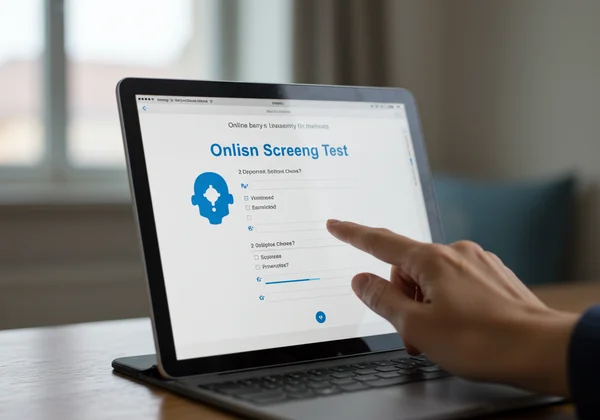
Online autism screeners, like the free Autism Test available on our site, serve as a helpful preliminary tool. They are designed to identify patterns of traits commonly associated with ASD by presenting a series of questions about behavior, communication, and social interactions. The goal of an Online Autism Test is to provide initial insights and help users determine if their experiences align with common autistic characteristics.
It is crucial to understand that these tools are screening tools only and cannot provide a formal medical diagnosis. A high score on an online test suggests that you might possess traits consistent with autism and should consider seeking a professional evaluation. Our online screening platform offers not just immediate results, but also optional AI-enhanced personalized reports, which can provide a deeper, more nuanced preliminary assessment of your responses. This can be particularly useful for guiding your next steps towards a professional diagnosis. We encourage you to start your assessment and gain valuable preliminary insights.
Taking the First Step: Understanding & Next Actions
Understanding Autism Spectrum Disorder is a continuous journey. Whether you're exploring the concept for the first time or seeking to understand yourself or a loved one better, knowledge is a powerful tool. Our comprehensive resources aim to provide you with reliable information and accessible tools to begin this journey.
After taking an initial Autism Test for Adults or observing an autism test child, the most important action is to use the results as a reference point. If the screening suggests autistic traits, we highly recommend consulting with a qualified healthcare professional for a comprehensive evaluation. This professional can provide a definitive professional diagnosis and discuss appropriate support or strategies tailored to individual needs. Your well-being and understanding are our priority. We invite you to explore the tool and begin your path to understanding with us.
Frequently Asked Questions About Autism
Here are some common questions we encounter about autism and online screening tools:
What does a high score on an online autism test mean?
A high score on an online autism test indicates that your responses align with a significant number of traits commonly associated with Autism Spectrum Disorder. It suggests that you may have characteristics consistent with ASD and should consider seeking a comprehensive evaluation from a qualified healthcare professional. It is not a diagnosis. To get your score and initial interpretation, you can try our free tool today.
Are online autism tests accurate for diagnosis?
No, online autism tests, including those based on widely recognized questionnaires like the AQ test, are screening tools, not diagnostic instruments. They are designed to provide initial insights and indicate whether a professional evaluation is advisable. A formal professional diagnosis can only be made by a trained clinician, such as a psychologist, psychiatrist, or neurologist, through a thorough assessment process. Our platform provides a reliable online screening to help you decide your next steps.
Can you self-diagnose autism?
While many adults discover they resonate strongly with autistic traits through self-reflection and online resources, self-diagnosing autism is not generally recognized as a formal diagnosis. If you suspect you might be autistic, it's crucial to seek a professional diagnosis from a qualified medical or psychological expert. Online autism screening tests can be a useful starting point for exploring your traits and preparing for a professional consultation. Discover more by visiting our homepage.
What are the early signs of autism?
Early signs of autism in children often include delays in language development, difficulties with social interaction and reciprocal play, limited eye contact, a lack of interest in sharing enjoyment or achievements, and repetitive behaviors or restrictive interests. These signs can vary and become more noticeable as a child develops. If you are concerned about a child's development, an Autism Screening Test designed for children, like those that can inform further evaluation, can be a helpful preliminary step. Consider exploring our resources to learn more about early indicators on our website.