Autism Test Retesting: When & Why to Rescreen Across Life Stages
Have you ever wondered if your autism test results would change if you retook your assessment? That nagging question is more common than you might think—and far more valid than people realize. At our autism screening platform, we've guided thousands through initial screenings and retests, revealing powerful insights about how autism traits manifest differently across life’s seasons.
Understanding Autism Test Reliability Over Time
Autism screening tools aren’t photographs—they’re mirrors reflecting your current experiences. Just as your understanding of yourself evolves, so might your assessment results.

How Developmental Stages Shape Screening Results
Major transitions—puberty, career shifts, or parenting—can uncover previously overlooked traits. A teen struggling socially might score moderately on an autism spectrum test, only to recognize more pronounced sensory sensitivities as an adult in noisy workplaces.
The Science Behind Retest Consistency
Standardized instruments like the Autism-Spectrum Quotient (AQ) show strong test-retest reliability when repeated within short intervals. However, human lives span decades, not weeks. Studies suggest 20-30% variance when retesting after 5+ years—not due to flawed screening, but because people mask traits differently across environments.
When Should You Retake an Autism Spectrum Disorder Test?
Our clinical advisory board identifies these key retest scenarios:
After Significant Life Transitions
Key moments for re-evaluation often include moving from structured education to independent adulthood, entering romantic relationships or becoming a parent, and navigating major career changes that require new social demands.

Following Increased Self-awareness
If self-education about neurodiversity helps you recognize previously unnoticed patterns, retake our free autism test with fresh perspective. Many adults discover their "social anxiety" was actually autism-related sensory processing differences.
What Your Retest Results Really Mean
What Fluctuating Scores Really Mean
Higher scores usually indicate greater self-awareness—not worsening traits. One user reported: "After learning about autism masking, my retest score increased 30%. I wasn’t more autistic; I was finally honest with myself."
When "Inconsistent" Results Reveal Growth
If childhood results showed high social difficulties but your adult screening emphasizes sensory issues, this likely reflects environmental changes—not unreliable testing. Our AI-enhanced autism test reports help interpret these shifts by comparing your responses over time.
How to Approach Autism Test Retesting
Preparing for Meaningful Rescreening
To prepare, it's best to wait at least six months between tests unless you're experiencing acute changes. In the meantime, track real-life examples of traits and review your original responses before retesting.
Getting the Most Out of Your Retest
Compare your reports side-by-side, paying close attention to any newly recognized traits, areas you previously over- or underestimated, and any decrease in masking behaviors.
Your Journey Continues: How Screenings Support Self-Discovery
Rather than viewing retesting as "doubting" initial results, frame it as tracking your neurodevelopmental self-portrait over time. Our instant screening tools and optional AI reports provide invaluable touchstones in your journey—whether you're exploring autism for the first time or revisiting previous assessments.
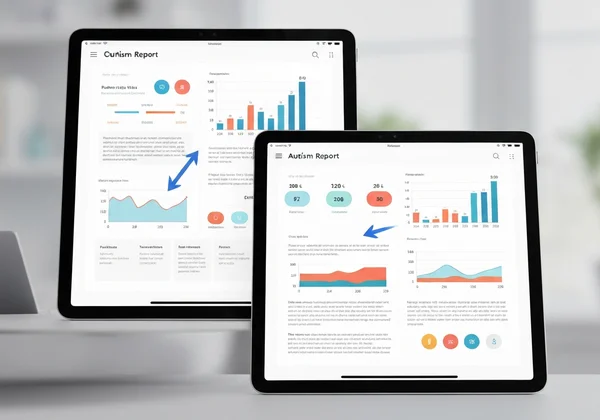
Remember, autism screening is just one tool in your self-understanding toolkit. Whether your results stay consistent or shift over time, each assessment offers valuable insights into your unique neurodiverse experience.
Where to next? ✅ Retake your free test: See how life changes have influenced your traits 📊 Unlock AI analysis: Get personalized insights into your neurodiverse profile 🌐 Compare reports: Track changes across months or years
Autism Test Retesting Explained
Are online autism tests accurate enough to retake?
High-quality online autism screeners demonstrate comparable reliability to in-person screenings for trait identification—though all have scoring variances between 2-15%. For tracking longitudinal changes, our autism test with AI analysis provides detailed trend insights.
What should I do after an online test if my results changed?
- Don’t panic: Remember screenings capture moments in time
- Review the changes: Note which traits increased/decreased
- Consider environmental factors
- Discuss significant shifts with a neurodiversity-informed professional
Can self-diagnosis through repeated testing be valid?
While serial testing builds a body of evidence, self-identification is distinct from diagnosis. Many find our screenings sufficient for personal understanding—but diagnostic assessments remain essential for workplace/school accommodations. After testing, we always guide users toward qualified professionals if seeking formal validation.